# Hyperreality in Branding: Why the Line Between Virtual and Physical is Disappearing for Gen-Z
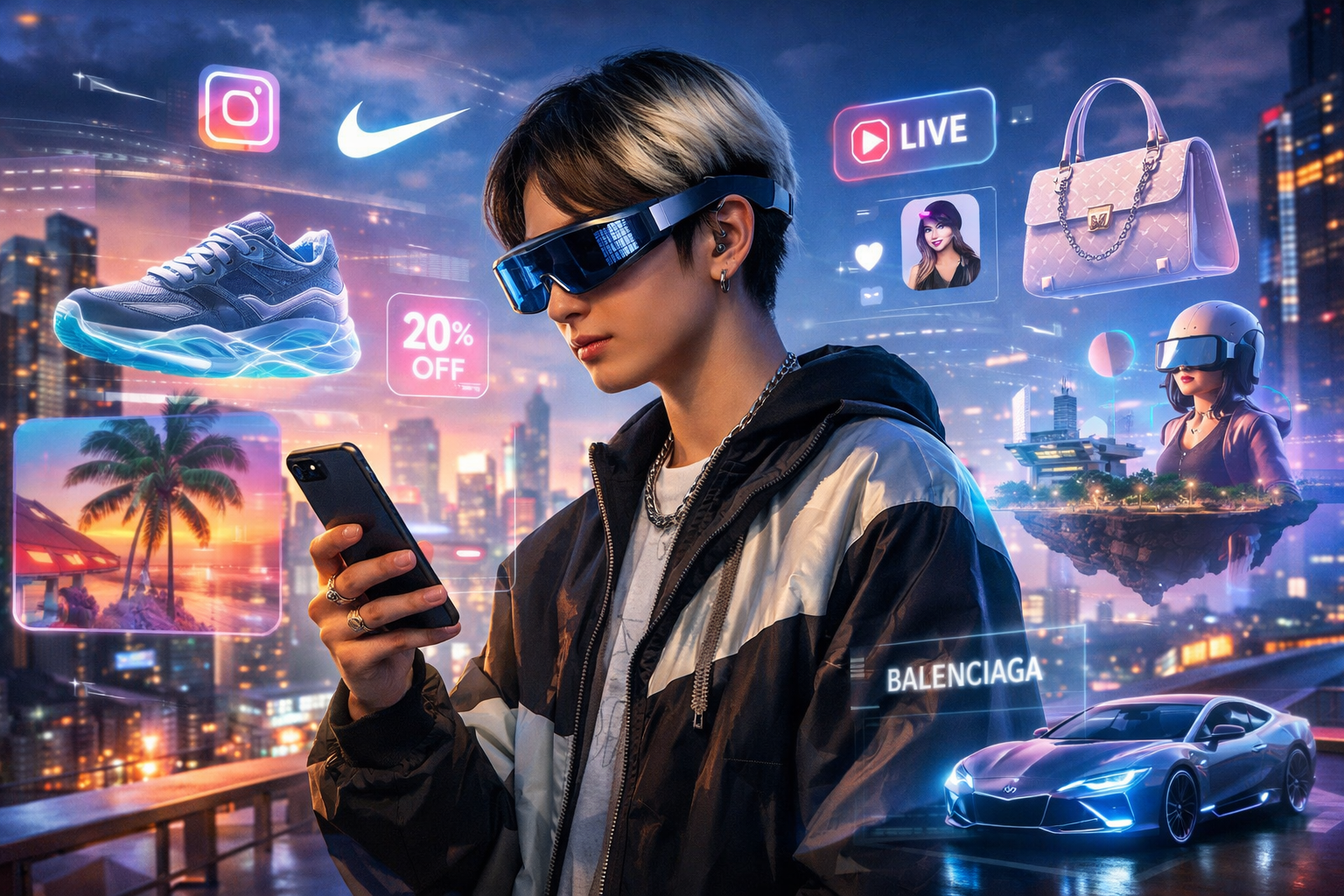
Gen-Z, the first truly digital native generation, experiences reality through a unique lens where the boundaries between the physical and virtual worlds are increasingly blurred. This phenomenon, often termed **hyperreality**, is profoundly reshaping how brands connect with this demographic. For Gen-Z, a brand's presence in the metaverse, its digital collectibles, or its augmented reality (AR) filters are just as 'real' and influential as its physical storefronts or products.
## The Blurring Lines: Digital Identity Meets Physical Experience
For previous generations, digital interactions were often seen as separate from 'real life.' For Gen-Z, however, their digital identity is an extension of their physical self. This means that brands must cultivate a cohesive presence across both realms. A virtual try-on of a new sneaker via an AR filter, for instance, isn't just a gimmick; it's a crucial part of the purchasing journey and brand experience. [1]
* **Virtual Try-Ons & AR Filters:** Brands like Gucci and Nike are leveraging AR to allow consumers to 'wear' products digitally, influencing purchasing decisions before a physical item is ever touched.
* **Metaverse Experiences:** Platforms like Roblox and Decentraland are becoming new shopping malls and social hubs where brands can create immersive experiences, from virtual concerts to digital fashion shows.
* **Digital Collectibles & NFTs:** Beyond mere ownership, NFTs offer Gen-Z a way to express identity and affiliation within digital communities, creating a new form of brand loyalty.
## Why Authenticity in Hyperreality Matters
Despite the digital nature, authenticity remains paramount for Gen-Z. They are highly attuned to performative gestures and can quickly discern genuine engagement from superficial attempts to capitalize on trends. Brands that succeed in hyperreality are those that offer genuine value, foster community, and align with Gen-Z's values, rather than simply porting physical experiences into a digital space without thought. [2]
## The Future of Brand Engagement
The trend towards hyperreality is not a fleeting one; it's the new normal for Gen-Z. Brands that understand and adapt to this fluid reality—where digital and physical experiences are seamlessly integrated—will be best positioned to capture the attention and loyalty of this powerful consumer group. This requires a shift in marketing strategies, moving beyond traditional campaigns to embrace immersive, interactive, and integrated experiences that resonate with Gen-Z's inherent digital fluency.
### References
1. [The Metaverse and Gen Z: How Brands Can Connect with the Digital Generation](https://www.forbes.com/sites/forbesagencycouncil/2023/03/08/the-metaverse-and-gen-z-how-brands-can-connect-with-the-digital-generation/?sh=1c3a3b4a7e3a) - Forbes
2. [Gen Z and the Metaverse: A New Era of Digital Identity](https://www.wundermanthompson.com/insight/gen-z-and-the-metaverse-a-new-era-of-digital-identity) - Wunderman Thompson