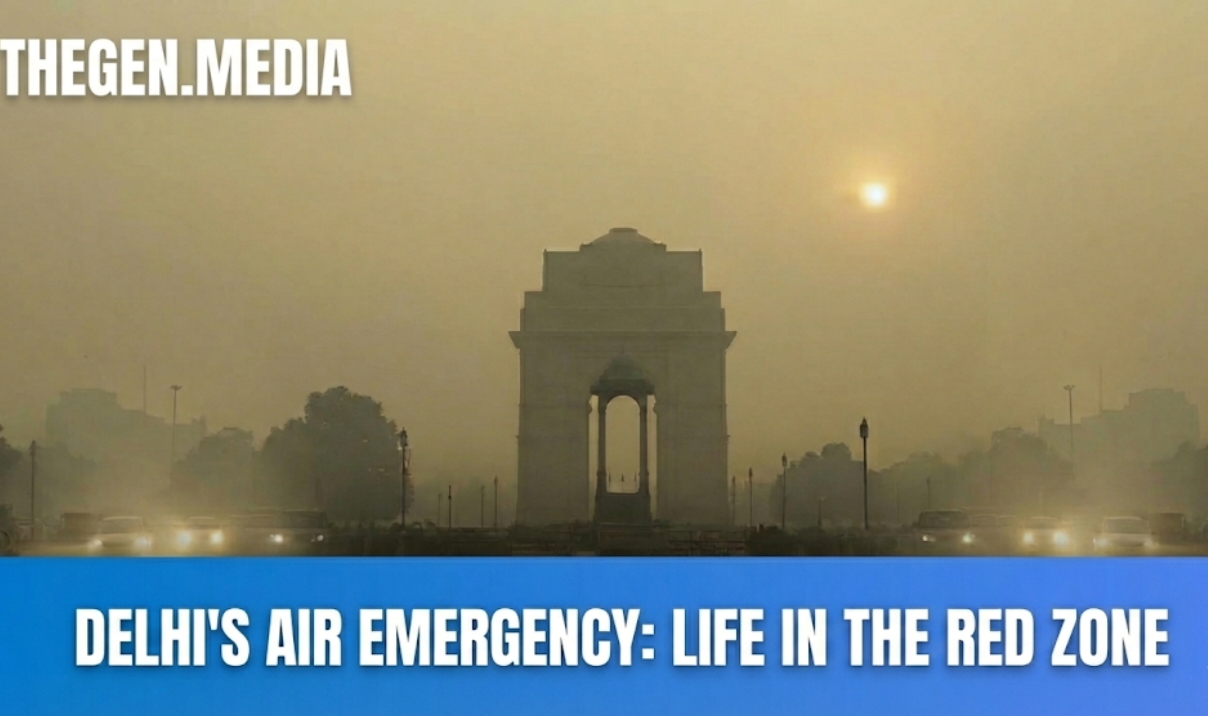
Delhi, a city synonymous with rich history and vibrant culture, is currently facing its most formidable adversary yet: climate change. Beneath the daily hustle of its 20 million residents, the capital is battling an environmental emergency that threatens not just its infrastructure, but the very health of its people. The narrative of climate change in Delhi has shifted from future predictions to a stark, present-day reality.
The Air We Breathe: A Public Health Emergency
For the citizens of Delhi, clear blue skies have become a rarity. The city frequently records hazardous Air Quality Index (AQI) levels, creating a "gas chamber" effect, particularly during the winter months. While local factors like vehicular emissions, industrial discharge, and construction dust are primary triggers, changing climate patterns play a critical role.
Stagnant wind conditions and cooler temperatures trap pollutants closer to the ground, forming a toxic smog that refuses to dissipate. The result is a surge in respiratory ailments, cardiovascular issues, and a declining life expectancy for residents exposed to this chronic pollution.
Extreme Weather: Oscillating Between Extremes
The stability of Delhi’s seasons is eroding. The city now oscillates between severe heat and unpredictable deluges, a hallmark of global climate instability.
Scorching Heatwaves: Summer temperatures are consistently breaking records, placing an immense load on the power grid and posing severe risks of heatstroke, particularly for the working class.
Erratic Monsoons: The traditional rhythm of the monsoon has been disrupted. The city now experiences short, intense bursts of rainfall that overwhelm drainage systems, causing flash floods, followed by long dry spells that exacerbate water scarcity.
The Water Crisis
Water security remains one of the most critical challenges. The Yamuna River, a lifeline for the city, is struggling with high pollution levels and reduced flow. Furthermore, the reliance on groundwater has led to a rapid depletion of the water table. Climate change accelerates this crisis by disrupting the natural recharge cycles of aquifers, pushing the city toward a precarious future regarding water availability.
"The fight for Delhi's environment is not just about policy; it is about survival and the quality of life for the next generation."
A Path Forward: Mitigation and Adaptation
Despite the grim outlook, the situation is not irreversible. A sustainable future for Delhi requires a multi-pronged approach involving government policy, corporate responsibility, and citizen action:
-
Renewable Energy Transition: Rapidly shifting away from fossil fuels to solar energy for both residential and commercial needs.
-
Green Transportation: expanding the metro network, electrifying public bus fleets, and incentivizing the use of Electric Vehicles (EVs).
-
Urban Greening: creating "urban forests" and vertical gardens to lower surface temperatures and filter air pollutants.
-
Waste Management: Enforcing strict waste segregation and recycling protocols to reduce landfills, which are major sources of methane emissions.
Conclusion
The clock is ticking for Delhi. Addressing the climate crisis demands urgent, cohesive action. By investing in resilient infrastructure and fostering a culture of environmental consciousness, we can work towards a capital that is not only habitable but thriving. The time to act is now.